The Image That Broke the Internet (And Science Communication) When the Event Horizon Telescope released that blurry orange donut in April 2019, headlines screamed about the first “photograph” of a black hole. Social media exploded. My non-physicist friends texted me variations of “Did we really just take a picture of a black hole?” The short […]

The Webb Telescope’s Brown Dwarf Discovery Actually Changes How We Think About Star Formation
What Makes This Paper Different From the Usual Exoplanet Headlines Last week’s Nature paper on brown dwarfs observed by the James Webb Space Telescope deserves your attention, but not for the reasons splashed across social media. The headlines screaming about “failed stars” and “cosmic mysteries solved” miss the actual breakthrough hiding in the spectroscopic data. […]

Jennifer Doudna Didn’t Invent CRISPR — But That’s Not the Story You Should Care About
The Credit Confusion That Misses the Point Walk into any coffee shop near a university campus and mention CRISPR, and someone will inevitably credit Jennifer Doudna as the inventor of gene editing. It’s a narrative that has taken hold in popular science coverage, fueled by Nobel Prize announcements and excited headlines about “genetic scissors.” But […]
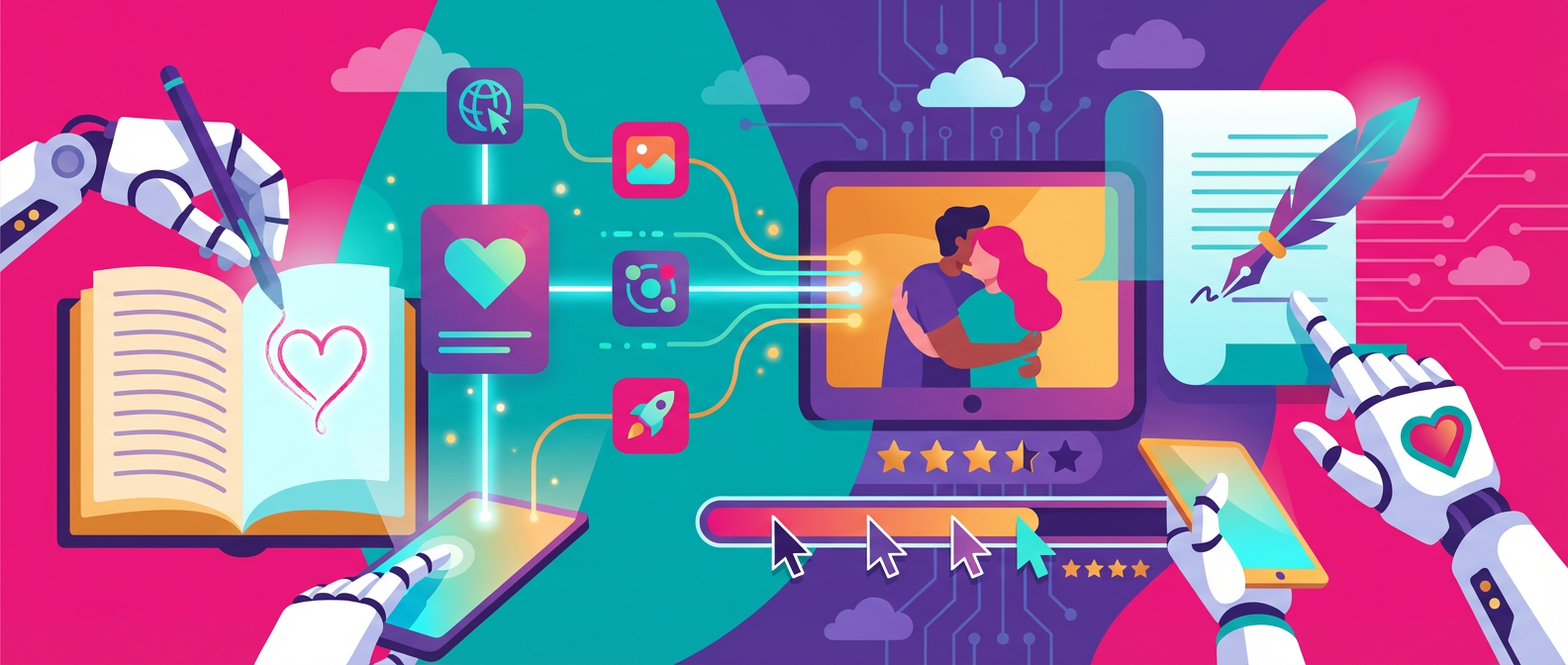
AI Romance Writers in 2026: How Specialized Tools Are Reshaping Love Stories
The Romance Revolution in Digital Storytelling AI romance writing is getting pretty good right now, but I think we’re about to see something much bigger. 2026 feels like we’re sitting on the edge of a real shift in how love stories get written and read by millions of people. AI Romance Writers in 2026: How […]
Why AI Alignment Research Is Racing Against Its Own Success
The Problem That Grows With Every Breakthrough Every time we celebrate another AI milestone, we’re also watching the countdown clock tick faster on one of the biggest challenges in computer science: alignment. The term sounds abstract, but it’s brutally concrete. How do we make sure artificial intelligence systems do what we actually want them to […]
Into the Abyss: How Deep Ocean Science Is Reshaping Our Understanding of Earth
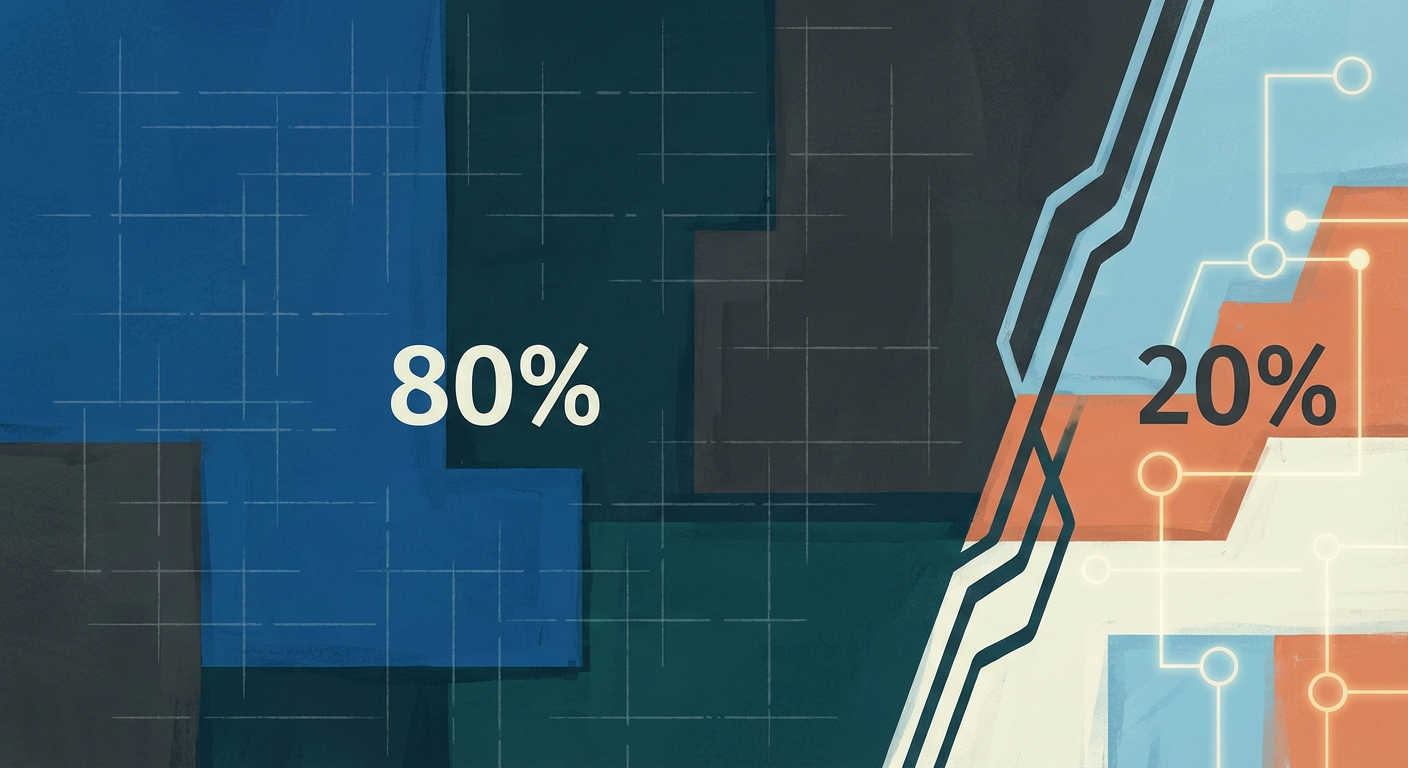
The Last Frontier on Our Own Planet While space agencies capture headlines with Mars rovers and lunar missions, the most unexplored realm in our solar system lies much closer to home. Four-fifths of Earth’s oceans remain unmapped at the high resolution that would reveal their true character. This vast underwater territory holds secrets that could […]
We Know More About Mars Than Our Own Ocean Floor: Separating Deep Sea Myths From Reality
The Great Ocean Misconception Ask someone what humanity knows less about than the surface of Mars, and many will confidently answer “the deep ocean.” This comparison, while catchy, shows a fundamental misunderstanding about both planetary exploration and marine science. The reality is more complex and way more interesting than this oversimplified soundbite suggests. We Know […]

The Deep Ocean Frontier: Why Earth’s Last Unexplored Realm Holds Keys to Our Future
Our Planet’s Greatest Mystery Lies Beneath the Waves Imagine if we had detailed maps of less than twenty percent of Earth’s land surface. Picture trying to understand global weather patterns while missing four-fifths of the data. This is exactly where we stand with our oceans, where roughly eighty percent of marine environments remain unexplored and […]
Beyond the Hype: Where Brain-Computer Interfaces Stand Today and What Comes Next
The Current Reality of Neural Control The first human to control a computer cursor through thought alone using Neuralink’s brain implant was a huge moment in neuroscience. But this achievement, impressive as it is, is just one piece of a much bigger puzzle. Brain-computer interface technologies have moved way past lab experiments into real applications […]
Brain-Computer Interfaces Are Leaving the Lab: What This Breakthrough Era Means for Human Capability
The Moment We’ve Been Waiting For Has Arrived The first human patient to receive Neuralink’s brain implant made headlines when they controlled a computer cursor using nothing but their thoughts. This achievement goes beyond just technological progress. It shows that brain-computer interfaces have moved from experimental curiosity to functional reality, changing what we think human […]